Taylors HVAC Company for Efficient Heating Cooling and Indoor Air Quality
Taylors HVAC Company for Efficient Heating Cooling and Indoor Air Quality
Blog Article
Experienced HVAC Services for Maximum Home Convenience
Competent HVAC solutions are vital in upholding home well-being. These equipment require a nuanced understanding of their components and capabilities. Regular upkeep can stop many prevalent problems, while innovative upgrades boost energy economy. However, determining the right maintenance provider can be challenging. Occupants must examine various factors to ensure peak results. What elements should be central to your thinking when seeking expert support?
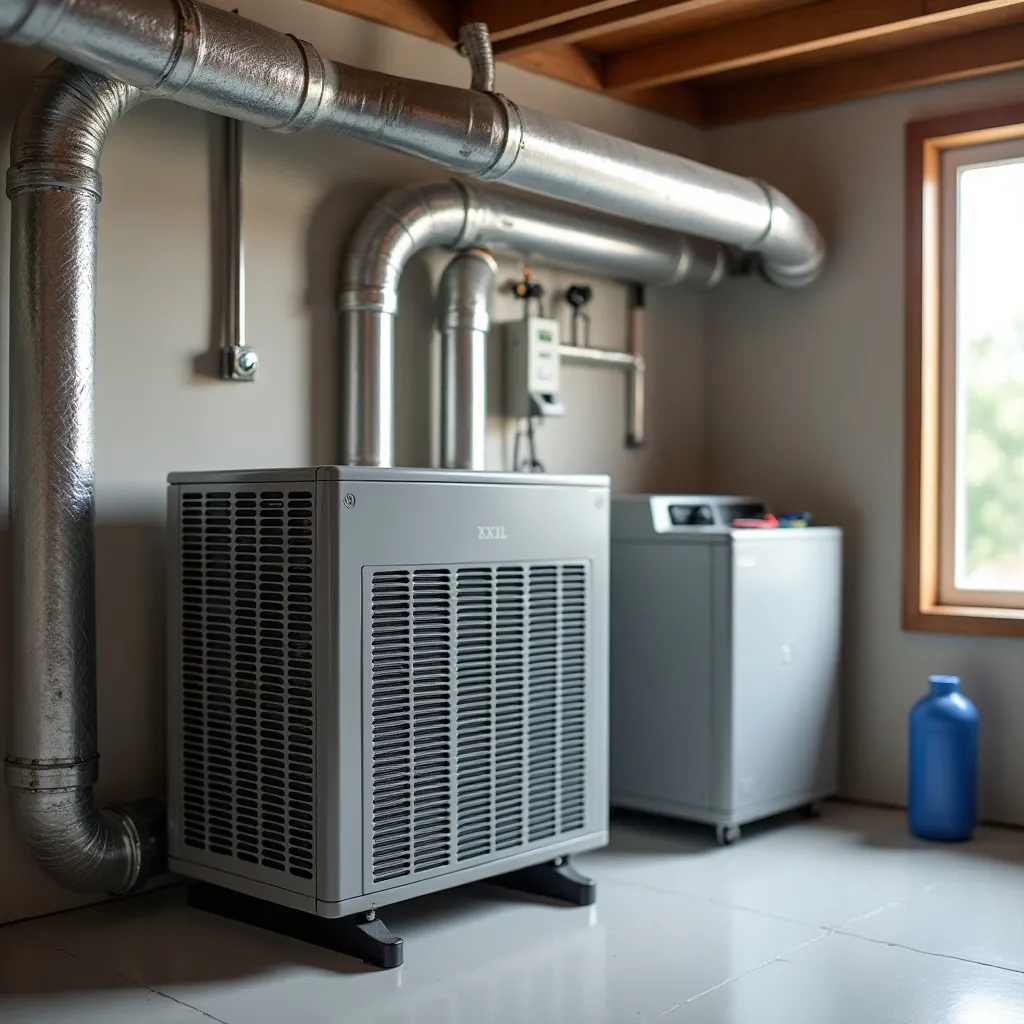
Understanding the Essentials of HVAC Systems
HVAC systems are essential components of contemporary residential comfort, encompassing heating, ventilation, and air conditioning functionalities. These systems work in tandem to copyright a consistent interior setting, providing optimal climate conditions and air quality throughout the year. The heating aspect is typically provided by furnaces or heat pumps, which generate warmth during colder months. Air conditioning units, on the other hand, lower interior temperatures when temperatures rise.
Ventilation is vital to sustaining proper indoor air by supporting the movement of indoor and outdoor air. This process helps to remove pollutants and excess humidity, contributing to a healthier living environment. HVAC systems are designed to meet the specific needs of a home, taking into account factors such as size, insulation, and climate. Understanding these fundamentals enables homeowners to make informed decisions about their comfort needs, ensuring cost-effective performance and energy usage throughout their living spaces.
Why Consistent HVAC Care Counts
Regular HVAC maintenance is essential for optimizing system efficiency and guaranteeing home coziness. It significantly helps to enhanced energy conservation, prolongs the life expectancy of units, and improves indoor air quality. By focusing on routine servicing, homeowners can realize both cost savings and a healthier living environment.
Better Energy Efficiency
Preserving superior energy efficiency in a home essentially requires the regular servicing of heating and cooling systems. Avoiding routine maintenance can trigger weakened output and excessive energy consumption. Professional assessments often identify issues like contaminated air filters, sealed ducts, or damaged components, which can substantially restrict efficiency. For example, a well-kept HVAC system functions at full capacity, confirming that the energy put in effectively supports comfort. Additionally, consistent maintenance contributes to tuning the system to suit seasonal requirements, further enhancing energy usage. Residents who engage in steady HVAC care not only see reduced energy costs but also decrease their environmental consequence. As a result, heightened system efficiency is a tangible benefit of rigorous HVAC maintenance.
Increase Equipment Working Period
Proper care of climate control systems greatly extends their lifespan, enabling homeowners to optimize their expenditure. Routine checks, cleansing, and adjustments help detect possible problems before they escalate, reducing the probability of costly repairs or premature substitutions. Regular maintenance
Upgraded Indoor Air Condition
maintaining healthy spaces. Improved air quality not only contributes to superior wellness results but also enhances overall comfort. Consequently, routine maintenance is a crucial strategy for homeowners seeking to create a healthier, more enjoyable living atmosphere.
Common HVAC Problems and Their Solutions
Homeowners with HVAC systems often contend with temperature inconsistencies, frequent system cycling, and poor air quality, representing standard difficulties. These problems can lead to discomfort and rising utility expenses if not addressed promptly. Understanding the underlying causes and proven fixes is essential for sustaining a relaxing domestic space.
Temperature fluctuations That Lack Consistency
Many homeowners experience temperature variations that disrupt their ease, often caused by common HVAC problems. One primary factor is insufficient insulation, which allows conditioned air to leak and unconditioned air to infiltrate, leading to inconsistent temperatures. Furthermore, obstructed vents and ductwork can impede airflow, resulting in certain rooms being cooler or warmer than others. Thermostat placement also plays a vital role; if a thermostat is positioned in an area that does not reflect the overall temperature, it may incorrectly gauge and create inconsistent cooling or warming. Regular maintenance, such as cleaning filters and making certain ducts are free of obstructions, can assist in minimize these issues. By addressing these factors, homeowners can attain a more consistent and pleasant indoor environment.
Frequent System Recycling
Persistent system frequent on-off cycles can greatly interfere with home comfort and result in increased energy bills. This concern takes place when an HVAC system turns on and off frequently within a short span. Such cycling can stem from various origins, including incorrect thermostat settings, dirty air filters, or an oversized system. When the system operates with poor efficiency, it not only hampers temperature regulation but also creates additional strain on components, potentially leading to premature wear and expensive repairs. To manage frequent cycling, homeowners should verify proper thermostat calibration, regularly replace air filters, and consult professionals for system sizing assessments. Timely intervention can enhance efficiency, reduce energy costs, and ultimately enhance overall home comfort.
Bad Air Quality
Poor air quality can markedly affect home comfort, often compounding issues caused by continuous unit operation. Common sources of poor air quality include dust, allergens, and volatile organic compounds (VOCs), which can enter living spaces through inadequate filtration. HVAC systems, if not properly serviced, might struggle with removing these contaminants effectively, resulting in respiratory issues and discomfort.
To diminish this, regular filter servicing is essential, as clean filters greatly enhance indoor air quality. Additionally, selecting air purifiers and maintaining proper ventilation can further strengthen the environment. Homeowners should also implement humidity control, as excessive moisture can trigger mold growth, further degrading air quality. By tackling these concerns, ideal comfort and health can be more easily achieved.
Smart Ways to Improve Your HVAC for Energy Efficiency
Upgrading an heating and cooling system for better energy use can greatly enhance home comfort while lowering utility bills. One effective strategy is to install a programmable thermostat, allowing for temperature adjustments based on occupancy patterns. This guarantees that energy is not wasted when the home is unoccupied. Another smart upgrade involves sealing ductwork to prevent air leaks, which can markedly improve system efficiency. Additionally, incorporating high-efficiency filters can enhance indoor air quality while enabling the system to operate more effectively. Regular maintenance, including cleaning coils and checking refrigerant levels, helps sustain performance and efficiency. Finally, considering variable-speed motors in HVAC units can optimize energy use by adjusting airflow based on demand. These upgrades not only promote energy conservation but also contribute to a more comfortable living environment, illustrating the importance of investing in energy-efficient HVAC solutions.
Major Innovations in HVAC Equipment
Recent advancements in HVAC technology have transformed how homeowners achieve comfort and efficiency. Innovative systems now feature smart thermostats that adapt to user preferences, automatically adjusting settings for ideal energy use. Variable-speed motors have also appeared, allowing for fine airflow control and lowering energy consumption while boosting comfort levels.
Furthermore, thermal pump systems has undergone substantial improvements, delivering effective heating and cooling choices even in severe climate conditions. Combined air purification systems are increasing in popularity, utilizing advanced filtration approaches to lower allergens and pollutants, thereby encouraging healthier indoor environments.
Moreover, the growth of renewable energy sources, such as solar-powered HVAC systems, demonstrates a increasing dedication to environmental responsibility. These innovations not only lead to lower utility bills but also reduce environmental impact. As technology keeps advancing, homeowners can anticipate even greater performance and comfort from their HVAC systems, providing a more sustainable and pleasant living environment.
Selecting the Perfect HVAC Contractor: Essential Considerations
How can property owners guarantee they select the correct HVAC contractor? Multiple key factors can direct this decision. First, confirming credentials and licenses is essential; contractors should possess the required credentials and insurance to guarantee excellence and protection. Next, evaluating experience and expertise in home HVAC units can demonstrate the contractor's dependability. Homeowners should seek referrals and read online ratings to gauge client satisfaction. Additionally, acquiring multiple estimates can provide understanding into market rates and service offerings, enabling for informed evaluations.
Furthermore, grasping the provider's maintenance plans and emergency service options is fundamental for long-term comfort. Homeowners should request details on warranties on both equipment and services, securing confidence and security. Finally, engaged dialogue and attentiveness during early conversations can demonstrate the provider's overall customer service approach. By evaluating these factors, homeowners can confidently select a trustworthy HVAC service provider that meets their specific needs.
Frequently Inquired Questions
How Frequently Should I Change My HVAC Air Filters?
HVAC air screens should typically be changed every 1 to 3 months, depending on usage, filter type, and household conditions. Regular maintenance helps ensure peak air quality and system efficiency throughout the year.
What Size HVAC System Is Suitable for My Home?
Ascertaining the correct dimensions of an HVAC system involves evaluating the home's square footage, insulation quality, and climate. In general, a specialist appraisal assures ideal efficiency and comfort by selecting the right capacity for the space.
Can I install an HVAC system without help?
While some homeowners may undertake DIY HVAC setups, it's generally not recommended due to complexities involved. Professional installation assures safety, efficiency, and compliance with local codes, in the end providing better enduring performance and contentment.
How Can I Recognize the Red Flags My HVAC System Is Failing?
Indications of a malfunctioning additional info HVAC system encompass odd sounds, fluctuating climate control, increased energy bills, frequent cycling, poor airflow, and peculiar scents. Addressing these issues promptly can stop additional wear and tear and maintain home comfort.
What Ways Can I Improve Indoor Air Quality Using HVAC?
Improving indoor air quality with HVAC involves regular maintenance, replacing filters often, using air purifiers, maintaining adequate airflow, and controlling humidity levels. These steps help reduce pollutants and improve overall air quality in the home.
Report this page